The Best 7 EVA Masterbatch Solutions for Your Manufacturing Needs?
In the world of manufacturing, choosing the right materials is crucial. EVA masterbatch is a game-changer for various applications. These compounds improve flexibility, durability, and overall performance in products.
There are numerous options available, making it essential to understand what suits your needs. Each EVA masterbatch solution comes with unique properties that can enhance specific production processes. For instance, some additives improve UV resistance while others boost color vibrancy.
However, not all solutions are perfect for every application. Some may not perform well in extreme environments. It’s vital to evaluate the specific requirements of your projects. This reflection on the suitability of different EVA masterbatch options can lead to better choices in manufacturing.
Overview of EVA Masterbatch and Its Importance in Manufacturing
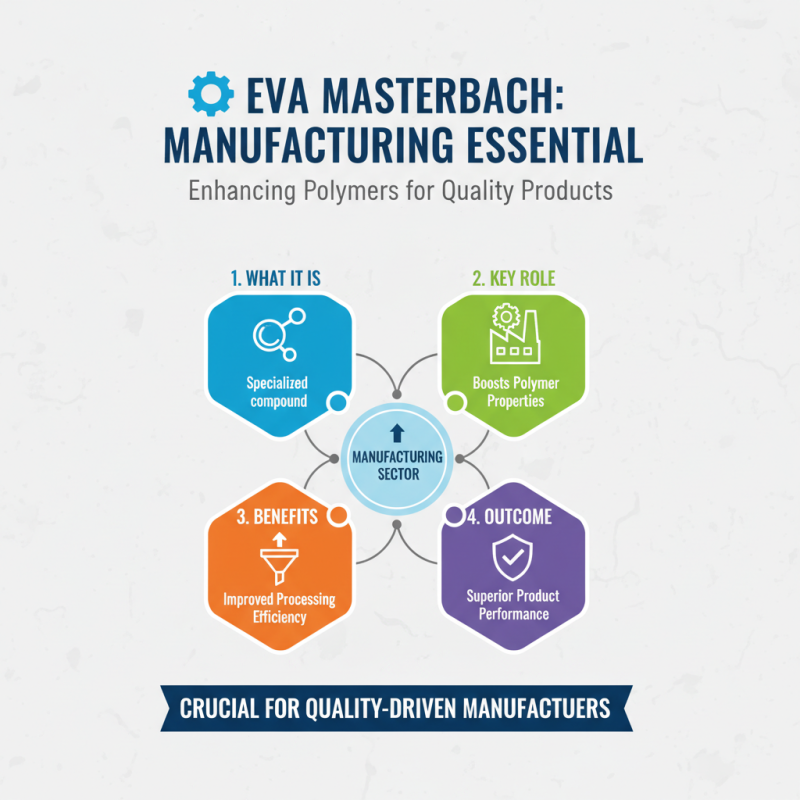
EVA masterbatch plays a crucial role in the manufacturing sector. This specialized compound enhances the properties of polymers and is vital for various applications. It improves processing efficiency and product performance, making it essential for manufacturers seeking quality.
The versatility of EVA masterbatch is remarkable. It can be tailored to achieve specific characteristics, such as flexibility, transparency, and durability. However, not all options are equally effective. Some may not disperse evenly in the base material, leading to inconsistent results. This can lead to weaknesses in finished products.
A thoughtful approach to selecting the right EVA masterbatch is necessary. Manufacturers must evaluate their specific needs and application requirements. Often, the cheapest solution may not yield the best quality. It's important to reflect on these choices. Testing small batches before full-scale production can help avoid costly mistakes. Quality assurance must always be prioritized to ensure long-term success in manufacturing.
Key Properties and Benefits of EVA Masterbatch Solutions
EVA masterbatch solutions are essential in various manufacturing processes. They enhance the base materials' properties, offering flexibility and durability. These masterbatches are often used in films, sheets, and molded products. Manufacturers appreciate their ease of processing and compatibility with different polymers.
One key property of EVA masterbatches is their excellent adhesion. They allow for better bonding in layered structures. This feature enables manufacturers to create more robust and long-lasting products. Additionally, the color consistency they offer is notable. Colors remain vibrant and uniform throughout the production run, which benefits aesthetic appeal.
Another significant advantage is their impact resistance. Parts made with EVA masterbatches tend to withstand harsh conditions better. However, achieving the perfect blend can be challenging. Sometimes, the desired properties may not be fully realized in the final product. Testing and adjustments are often necessary, making the process a journey of discovery.
Top Seven EVA Masterbatch Products for Diverse Applications
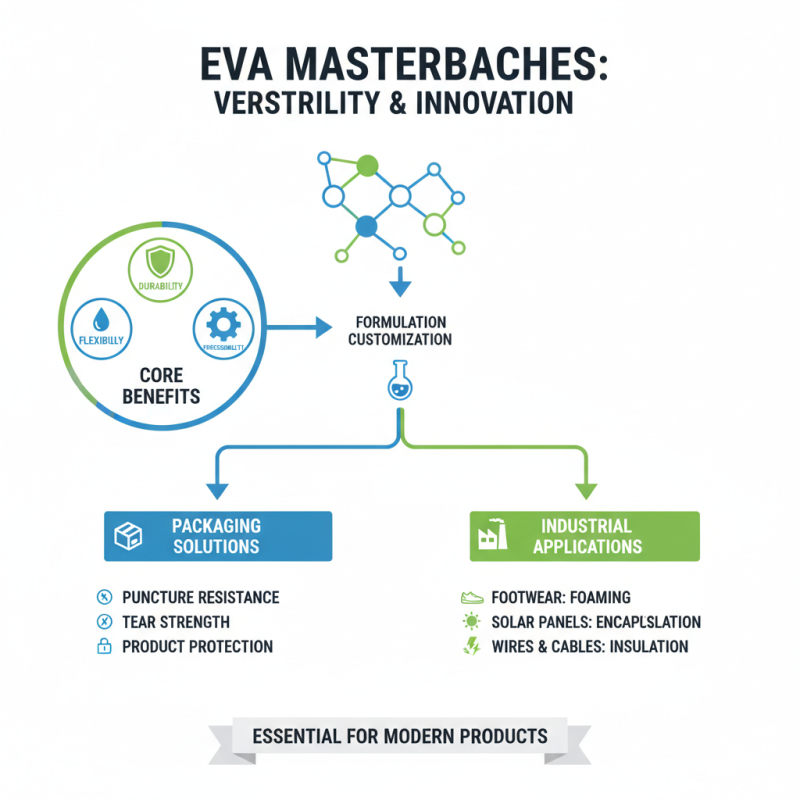
EVA masterbatches are essential in many industries, thanks to their versatility. Different applications require unique formulations to meet specific challenges. For instance, the packaging sector often benefits from EVA blends that enhance durability. Products designed for this purpose can resist punctures and tears, ensuring the safety of contents.
In addition to packaging, EVA masterbatches play a crucial role in footwear manufacturing. Shoes produced with these materials often exhibit better flexibility and comfort. It's interesting to note that not every EVA formulation works for every type of footwear. Sometimes, manufacturers realize too late that flexibility comes at the cost of durability.
Another application lies in the automotive industry, where EVA is used for seals and gaskets. The challenge here is balancing rigidity with elasticity. A product that’s too rigid won't conform well over time. Consequently, it's important for manufacturers to frequently test and refine their formulations. Often, slight adjustments can lead to significant improvements.
Factors to Consider When Choosing EVA Masterbatch Solutions
When selecting EVA masterbatch solutions, several key factors come into play. Quality is paramount. A masterbatch with consistent color and performance enhances the product value. According to recent industry reports, the demand for high-performance EVA materials is increasing by 8% annually. This trend highlights the importance of investing in reliable solutions.
Consider compatibility. EVA masterbatches must blend well with the base resin. Incompatibility can lead to issues like poor adhesion and uneven coloring. Technical specifications, such as melting temperature and viscosity, also factor in. Failing to match these characteristics can result in processing difficulties.
Tip: Always request sample batches before a large-scale purchase. This helps test compatibility and performance in real production settings.
Another aspect is sustainability. Eco-friendly masterbatches are gaining traction. Consumers prioritize products with reduced environmental impact. Some reports indicate that about 50% of manufacturers are exploring greener alternatives. Yet, transitioning to sustainable options can be challenging.
Tip: Evaluate the long-term benefits versus costs when opting for sustainable solutions. Don’t overlook performance for the sake of eco-friendliness. Balancing these elements is essential for successful manufacturing.
The Best 7 EVA Masterbatch Solutions for Your Manufacturing Needs
Future Trends and Innovations in EVA Masterbatch Technology
EVA masterbatch technology is rapidly evolving. Innovations are shaping the future of manufacturing. The quest for higher efficiency and durability drives these changes. Sustainable alternatives are becoming a priority for many manufacturers. A push towards bio-based materials is noticeable. Many companies aim to reduce their carbon footprint.
New processing techniques, such as advanced extrusion methods, enhance product quality. These methods also improve the mixing efficiency of additives. This reduction in processing time can significantly lower energy consumption. However, adapting to new technologies requires a learning curve. Manufacturers may face challenges during implementation. Not all facilities will have the necessary infrastructure immediately.
Customization is another trend on the rise. Manufacturers want tailored solutions for their specific needs. This demand is pushing suppliers to develop more versatile products. Yet, there is a risk in over-customization, which can complicate production lines. Balancing flexibility with efficiency is essential. Continuous innovation brings opportunities but also challenges to consider in production processes.