
What Is the Best Ceremonial Matcha to Buy?
Choosing the best Ceremonial Matcha is less about finding a famous label and more about knowing what is in the tin. The word “ceremonial” can signal a style of use, but it does not guarantee a consistent grade or quality standard. Tea master Sen no Rikyu’s teaching is often translated as: “Tea is nothing but this: boil water, prepare tea, and drink it.” His words keep the focus on the bowl itself. Does the powder smell fresh and grassy? Does it whisk smoothly, with a fine, even foam? Does its flavor feel balanced rather than sharply bitter?
A thoughtful buyer can check the tea’s origin, harvest information, packaging date, and storage guidance. Japanese origin alone does not settle the question; handling and freshness matter, too. A sealed, opaque tin may protect delicate color and aroma better than a clear pouch left on a bright shelf. Look for a vivid green powder, but remember that color is only one clue. If possible, buy a small quantity before committing to a large tin. Tasting it with plain water can reveal more than a sweetened latte does. There is no perfect checklist. Even careful shoppers can misjudge a product from a label or photograph. This guide will compare practical signs of quality, flavor, sourcing, and value, so you can choose a Ceremonial Matcha that suits your cup—and your budget.
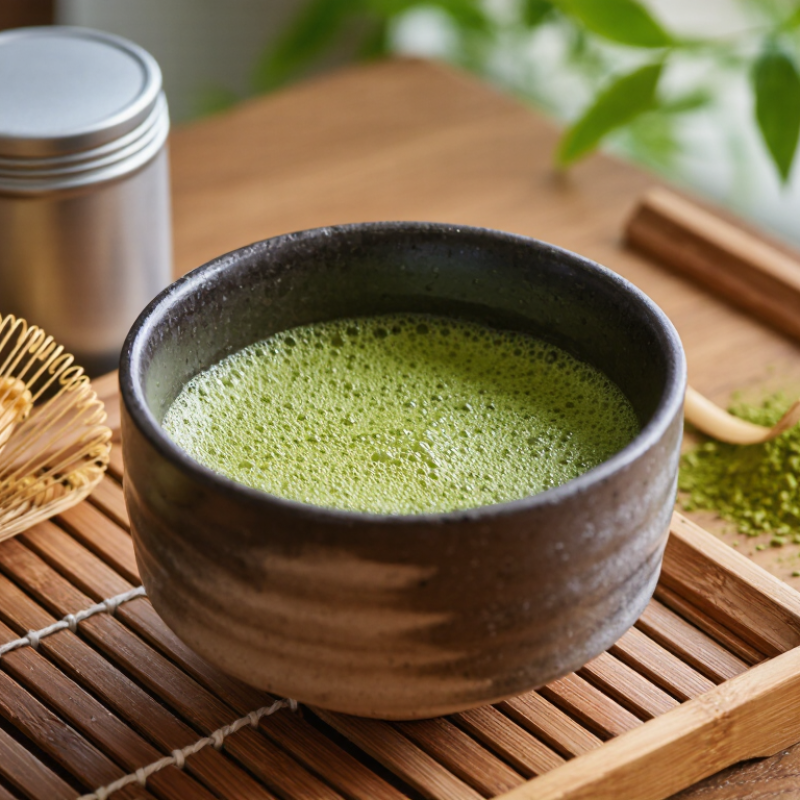
Table of Contents [Hide]
What “Ceremonial Grade” Means in Matcha
Ceremonial grade is not a universally regulated quality standard for matcha. The phrase is commonly used for tea intended to be whisked with water and enjoyed on its own. It may suggest careful picking and processing, but the label alone cannot confirm quality. Sellers may use it differently, so check the product details rather than relying on the wording.
For a smooth, vivid bowl, look for clear information about origin, harvest, and storage. Fresh matcha is usually bright green, with a clean, grassy aroma; dull color or a stale smell can signal age or poor storage. Its flavor should feel balanced, not harshly bitter. Preparation matters, too: sift the powder and whisk it with warm, not boiling, water. A little foam helps, but it need not look perfect. I still find the grade label imperfect; taste and freshness tell more.
Tips: Buy a small tin first, and check for a harvest or packing date. Choose an airtight, light-protective package. After opening, keep it sealed, cool, and away from moisture. Compare descriptions carefully; “ceremonial” by itself tells you very little.
What Is the Best Ceremonial Matcha to Buy? — What “Ceremonial Grade” Means in Matcha
| What to assess | What to look for | Why it matters | Useful buying guidance |
|---|---|---|---|
| Meaning of “ceremonial grade” | A marketing term commonly used for matcha intended to be whisked and enjoyed with water. | There is no single universally enforced grading standard for the term, so it does not guarantee a particular quality level. | Judge the tea by its origin and harvest information, freshness, aroma, color, taste, and intended use—not the label alone. |
| Color and appearance | A vivid green powder is often a positive sign; dull or yellowish tones can indicate age or less vibrant leaf material. | Color can offer a clue about freshness and processing, but it cannot prove quality by itself. | Check the powder in natural light and consider the harvest date, packaging, and storage history as well. |
| Aroma | Fresh, clean, and gently vegetal or sweet aromas; avoid powder that smells stale, musty, or strongly flat. | Matcha is finely ground and can lose freshness when exposed to air, heat, light, and moisture. | Prefer airtight, light-protective packaging and buy an amount you can use soon after opening. |
| Taste and finish | A balanced cup may combine vegetal notes, some sweetness, and savory umami, with bitterness kept in balance. | Taste varies by cultivar, growing conditions, processing, freshness, water, and preparation; no single flavor profile suits everyone. | If possible, try a small quantity first. Strong bitterness can also result from water that is too hot or using too much powder. |
| Texture and milling | Fine powder that disperses reasonably well when whisked; some settling is normal. | Matcha is suspended in water rather than dissolved, so it may settle if left standing. | Sifting before whisking can help reduce clumps, especially when the powder has been stored for a while. |
| Growing and harvest details | Clear information about where and when the tea was grown or harvested, when available. | Growing conditions and processing influence flavor. Some matcha is made from shade-grown tea leaves, but practices and results vary. | Treat specific origin or harvest claims as useful context, not an automatic guarantee of superior taste. |
| Preparation for drinking plain | A starting ratio is about 1–2 g of matcha to 60–80 ml of water. | Plain preparation makes the tea’s aroma and flavor easier to assess. | Use water around 70–80°C as a starting point, then adjust to taste; boiling water can make the cup taste harsher. |
| Choosing for lattes or cooking | A more robust or less delicate flavor may work well when combined with milk, sweeteners, or other ingredients. | Delicate flavor notes can be less noticeable in mixed drinks and recipes. | Choose according to how you plan to use it; a product marketed as “ceremonial” is not necessarily the best value for cooking. |
| Storage and freshness | A sealed package with a clear best-before date and instructions for storage. | Heat, light, air, and moisture can diminish matcha’s color and aroma over time. | Keep it tightly sealed in a cool, dry, dark place. Follow the package directions, and refrigerate only if the packaging guidance supports it and condensation can be avoided. |
Bottom line: The best ceremonial-style matcha is the one that tastes fresh and balanced to you, suits your preparation method, and comes with credible product and storage information. “Ceremonial grade” alone is not a regulated guarantee of quality.