What Is Anti Static Masterbatch?
Static cling is easy to spot: a film wrapper grips itself, dust settles on a plastic tray, or a component clings to a conveyor. Less visible is the electrostatic charge behind these problems. Anti static masterbatch is a concentrated blend of antistatic additives and polymer carrier, added during plastic processing to reduce charge buildup. It is typically mixed into a base resin before molding, extrusion, or film production. The result depends on the polymer, additive, loading, and processing conditions. There is no universal recipe.
The commercial context is growing. Grand View Research valued the global masterbatch market at USD 11.84 billion in 2023 and forecast a 5.1% compound annual growth rate from 2024 to 2030. That figure covers masterbatch overall, not the antistatic segment alone. For packaging performance, ANSI/ESD S541 provides guidance on evaluating materials used to protect electrostatic-sensitive items. A product label alone cannot confirm suitability. Testing matters.
A useful measurement principle comes from physicist and engineering authority Lord Kelvin: “When you can measure what you are speaking about, and express it in numbers, you know something about it.” The point applies here: surface resistance, charge decay, humidity, and end-use conditions should inform material selection. Not magic. An antistatic additive can reduce charge, but performance may change with time, moisture, or formulation. Even experienced processors can miss that last detail. This guide explains what anti static masterbatch is, how it works, and what buyers should check before specifying it.
Definition and Purpose of Anti-Static Masterbatch
What Is Anti Static Masterbatch?
Definition and Purpose of Anti-Static Masterbatch
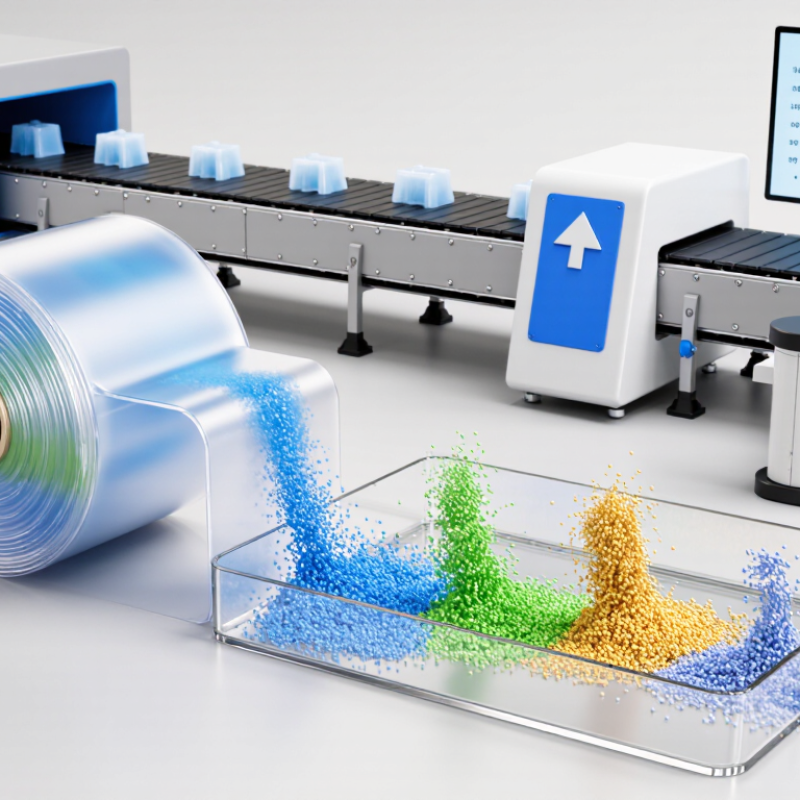
Anti-static masterbatch is a concentrated additive blend mixed into plastic resin during processing. It helps reduce static charge build-up on finished plastic products. The carrier resin is selected to suit the polymer being processed, so the additive can disperse through the material. This is useful for items such as film, trays, and molded parts that attract dust or cling together.
It is not magic. Performance varies with the additive type, dosage, polymer compatibility, and surrounding humidity. Some additives move gradually toward the surface, while others work within the plastic. This difference matters: a surface treatment may need time to develop, and results can change in dry conditions. A practical evaluation should measure surface resistivity or charge decay on the actual product, not just the raw resin. Small trials help. Too much additive may affect appearance, processing, or other properties. The right formulation balances static control with the product’s intended use.
Key Ingredients and How Anti-Static Masterbatch Works
What Is Anti Static Masterbatch?
Key Ingredients and How Anti-Static Masterbatch Works
Anti-static masterbatch combines an active additive with a compatible polymer carrier. Common ingredients include ethoxylated amines and glycerol monostearate, which can migrate gradually through the plastic. At the surface, they attract a thin layer of moisture. This layer helps dissipate electrical charge instead of letting it build up on film, trays, or molded parts. Small details matter: poor carrier compatibility can cause uneven performance or visible surface deposits.
Some formulations use conductive additives, such as carbon-based materials, to create pathways for charge dissipation. These work differently from migrating antistats and may affect color or other properties. Grand View Research estimated the global antistatic agents market at USD 472.3 million in 2022, and forecast 5.3% annual growth from 2023 to 2030. That signals broad industrial interest, but it does not prove one formula suits every resin. The catch is easy to miss. Performance can shift with humidity, additive loading, processing conditions, and storage time. Testing the finished part under realistic conditions is essential; a quick surface check alone may not reveal long-term behavior.
What Is Anti-Static Masterbatch?
Key ingredients and how they work: anti-static additives are blended into plastic to help reduce static charge. Migratory additives, such as ethoxylated amines and other surfactants, can form a moisture-attracting layer at the surface; permanent additives, including conductive polymers or carbon-based materials, provide a more persistent charge-dissipation path.
Reading the chart: These are commonly used ESD material-class ranges, shown on a logarithmic scale in ohms per square. The axis is capped at 10³–10¹⁴ Ω/sq; actual limits and test results depend on the applicable standard, material, humidity, and measurement method. Anti-static masterbatch does not guarantee a particular classification.
Main Types of Anti-Static Masterbatch
What Is Anti Static Masterbatch?
Main Types of Anti-Static Masterbatch
Anti-static masterbatch is blended into plastic during processing to reduce static charge. The main types work in different ways, so the right choice depends on the resin, product, and surroundings.
Migratory antistatic masterbatch contains additives that gradually move to the plastic surface. There, they attract a thin layer of moisture, helping charge dissipate. It is often used in films, containers, and household packaging. Performance can change with humidity, and the surface effect may fade over time or after washing. Useful, but temporary.
Permanent antistatic masterbatch uses polymeric additives or conductive components to create a more durable path for charge dissipation. Its performance is generally less dependent on surface migration, which can suit reusable parts or electronics packaging. Conductive grades may also use carbon-based fillers; these can darken the material and affect its strength or appearance. That trade-off is easy to miss. A black component may be acceptable, while a clear film usually needs another approach.
Some products fall between these categories, and supplier descriptions can vary. That is worth checking. Compare the additive chemistry and recommended dosage, then test the finished part under its actual humidity and handling conditions. Surface resistance or charge-decay measurements can help, but a single lab result may not predict every production environment.
Common Applications Across Plastic Products
What Is Anti Static Masterbatch? Common Applications Across Plastic Products
Anti-static masterbatch is blended into a plastic resin during processing to reduce static charge buildup. Its additives can help dissipate charge or limit dust attraction, depending on the formulation. PlasticsEurope’s Plastics – the Fast Facts 2024 report estimates global plastics production reached 413.8 million tonnes in 2023. That scale helps explain why static control matters across many everyday plastic products.
Packaging is a major application. Films, pouches, trays, and component bins can attract dust or cling together during filling and handling. In electronics supply chains, protective packaging also helps manage static exposure around sensitive parts. The Semiconductor Industry Association, citing WSTS data, reported global semiconductor sales of $627.6 billion in 2024. Masterbatch is also used in appliance housings, automotive interior components, and plastic fibers, where charge can attract lint or make surfaces awkward to handle. Results are not perfectly predictable: resin choice, humidity, and processing conditions can all affect performance.
Tips: Match the masterbatch to the base polymer and end use. Test finished parts under expected humidity; a good result in one room may not transfer to a dry production line.
Factors to Consider When Selecting and Using It
Selecting an anti-static masterbatch starts with the base resin and finished product. A grade designed for polyethylene may not disperse well in another polymer. Check compatibility, recommended let-down ratio, and processing temperature against the resin supplier’s technical data. Small trials matter. Too much additive can affect appearance, sealing, or mechanical properties.
Match performance to the real use. A flexible film handling dry goods may need different charge control from a rigid tray or molded part. Ask for test data, such as surface resistivity or charge-decay results, and confirm the test method. Humidity matters: some additives perform less consistently in very dry conditions. Antistatic performance also does not automatically mean the material is electrically conductive.
During production, keep the masterbatch dry and feed it consistently to avoid uneven distribution. Record dosage, melt temperature, and line speed, then test samples after processing. Some additives need time to migrate toward the surface, so an immediate reading may not reflect later performance. I would verify results under the product’s actual storage and handling conditions; a clean lab sample can be misleading. Check the applicable end-use requirements before approving a formulation.