What is Aliphatic Polyurethane Paint and Its Benefits?
Aliphatic Polyurethane Paint is gaining traction in various industries due to its unique properties. Dr. Emily Sanders, an expert in polymer coatings, emphasizes its advantages, stating, “This paint offers unmatched durability and aesthetic appeal.”
Aliphatic Polyurethane Paint stands out for its resistance to UV light and weather, making it ideal for outdoor applications. It retains color and gloss, ensuring long-lasting finishes. This paint is also versatile, applicable to a range of surfaces from wood to metal.
However, not all users are aware of its application techniques and preparation requirements. Improper use can lead to less than optimal results. Understanding the intricacies of Aliphatic Polyurethane Paint is essential for achieving the best outcomes. It requires careful prep work, and attention to detail is crucial. When used correctly, its benefits can be substantial, providing both beauty and protection.
Definition and Composition of Aliphatic Polyurethane Paint
Aliphatic polyurethane paint is a versatile coating known for its durability and aesthetic appeal. It primarily comprises a polyurethane resin combined with aliphatic isocyanates. This unique blend enhances weather resistance and provides vibrant color retention. The paint often contains additives that improve adhesion, flow, and leveling properties.
The composition of aliphatic polyurethane paint includes polyols, which are critical in forming the film. Isocyanates contribute to the hardness of the surface. Solvents may be included to adjust viscosity and facilitate application. These elements work together to produce a high-quality finish suitable for various surfaces, from wood to metals.
Using aliphatic polyurethane paint can lead to potential challenges. The application can be sensitive to temperature and humidity. Improper mixing ratios might affect the final finish, leading to uneven surfaces. Users should carefully follow instructions and conduct tests on small areas. Understanding these aspects helps achieve optimal results.
Key Characteristics and Properties of Aliphatic Polyurethane Paint
Aliphatic polyurethane paint is known for its durability and versatility. This type of paint is ideal for various applications, from automotive coatings to industrial finishes. Its key characteristics include excellent UV resistance and flexibility, making it perfect for outdoor use. Aliphatic polyurethane maintains color stability over time, preventing the fading seen in other types of paint.
One of the remarkable properties of this paint is its chemical resistance. It can withstand exposure to solvents, oils, and other harsh chemicals, which is crucial for industrial settings. Additionally, its tough surface helps to prevent scratches and abrasions. However, proper surface preparation is essential for the best adhesion and performance. Not every surface may be suitable for this paint, which is worth considering before application.
Tips: Ensure a clean surface before painting. Dust and oil can affect adhesion. Always perform a test on a small area to gauge compatibility. Aliphatic polyurethane paint offers a rich, glossy finish, yet it requires careful handling during drying. The curing process may not be forgiving for those rushing through it. Patience can lead to stunning results.
Benefits of Using Aliphatic Polyurethane Paint in Various Applications
Aliphatic polyurethane paint is renowned for its durability and versatility. It is commonly used in industrial and architectural applications. This paint provides a protective finish that withstands weather exposure. It resists chemicals, making it suitable for various environments. The smooth gloss finish enhances aesthetic appeal while ensuring long-lasting performance.
One significant benefit of aliphatic polyurethane paint is its UV stability. Unlike other coatings, it does not yellow over time. This property is crucial for outdoor applications where appearance matters. Additionally, it offers excellent adhesion to different substrates. The ease of application combined with quick drying times makes it popular among professionals.
However, achieving the best results requires careful surface preparation. Improperly prepared surfaces can lead to adhesion issues. It’s also essential to follow application guidelines closely. Weather conditions can impact drying and curing times. While aliphatic polyurethane paint has many advantages, attention to detail is key for optimal performance.
What is Aliphatic Polyurethane Paint and Its Benefits?
| Feature | Description | Benefits |
| Durability | Resistant to abrasion, UV light, and chemical exposure | Long-lasting finish which reduces maintenance costs |
| Flexibility | Ability to expand and contract without cracking | Ideal for surfaces that experience temperature fluctuations |
| Aesthetic Appeal | Available in various colors and finishes | Enhances visual appeal for residential and commercial applications |
| Eco-friendliness | Low in volatile organic compounds (VOCs) | Safer for the environment and indoor air quality |
| Application Versatility | Suitable for a range of substrates and environments | Can be used in automotive, industrial, and architectural settings |
Comparison with Other Types of Coatings and Paints
Aliphatic polyurethane paint stands out due to its excellent UV resistance and durability. According to the Coatings World Market Analysis 2023, this paint type maintains gloss and color for over five years, outperforming many epoxy and acrylic paints. Its chemical structure forms stable bonds that resist cracking and yellowing, ideal for outdoor applications. However, its application requires skill; uneven coats can affect performance and appearance.
Compared to other coatings, aliphatic polyurethane offers superior abrasion resistance and flexibility. Epoxy paints excel in chemical resistance but degrade faster under sunlight. Acrylic paints are easier to apply and dry faster but wear out sooner. Data from the Global Paint and Coatings Report 2024 suggests aliphatic polyurethane reduces maintenance frequency by 30% on average, saving time and costs in the long term. Yet, initial expenses are higher, making budgeting a key consideration.
Tips: Always ensure surface preparation is thorough to maximize adhesion. Use proper ventilation during application for safety. Test small areas first to check color uniformity and drying time. Despite its benefits, this paint might not suit every project, so evaluate environmental factors carefully. Continuous learning about material behavior aids in better decision-making.
Application Methods and Best Practices for Aliphatic Polyurethane Paint
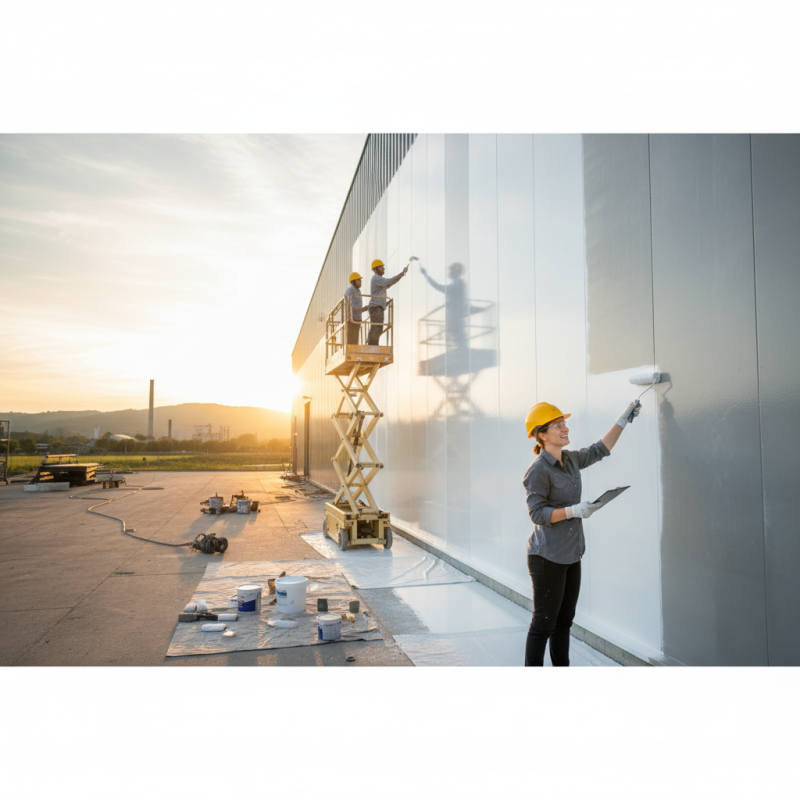
Aliphatic polyurethane paint is renowned for its durability and aesthetic appeal. When applying this type of paint, several methods can enhance its effectiveness. Spray application is often preferred for achieving a smooth finish. It allows for better control of coating thickness and reduces the risk of bubbles. Brush and roll methods are also viable, especially for detailed work. Each technique has its advantages depending on the surface and project scale.
Proper surface preparation is critical. Ensure that the surface is clean, dry, and free from contaminants. An industry report highlighted that 80% of paint failures are due to inadequate preparation. Using priming agents can improve adhesion and prolong the life of the paint. Additionally, applying in optimal temperature conditions enhances curing.
Tip: Invest in high-quality tools. Quality brushes or rollers can make a significant difference.
Mix the paint thoroughly before use to prevent inconsistencies. Allow adequate drying time between coats. In some cases, applying a clear topcoat can enhance protection. This adds gloss and increases durability. Professionals note that even small imperfections in the application can lead to issues down the line. Regular maintenance checks post-application can help identify areas needing touch-ups efficiently.