2026 Top Plastic Compound Types for Global Buyers

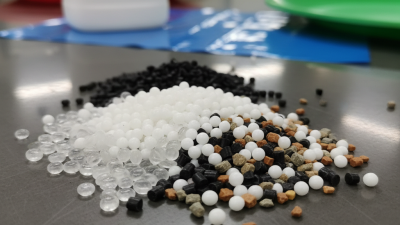
Global buyers entering 2026 need more than a catalog of resin grades. They need compounds matched to processing methods, performance targets, compliance requirements, and supply realities. This guide examines leading plastic compound types, including reinforced polypropylene, impact-modified polyethylene, flame-retardant ABS, glass-filled polyamide, PC/ABS blends, and recycled engineering compounds. Each option behaves differently inside an injection mold, extrusion line, or automotive assembly.

A reliable compound for plastic should be evaluated through measurable evidence. Check tensile strength, impact resistance, heat deflection temperature, shrinkage, moisture sensitivity, color stability, and batch consistency. A 30% glass-filled PA grade may suit a hot engine bracket, while a mineral-filled PP grade can reduce cost for a rigid appliance housing. Always review technical data sheets, safety documentation, processing windows, and supplier quality records. Small details matter. A damp pellet can create surface defects and weaken a finished part.

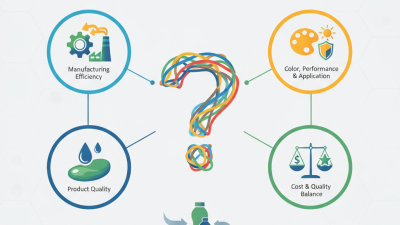
Recycled and bio-based compounds will receive greater attention in 2026. Yet sustainability claims require careful verification. Post-consumer content, traceability, odor, filtration quality, and mechanical retention can vary between suppliers. There is no universal “best” compound. That assumption deserves reflection. A lower-cost grade may increase scrap, while a premium grade may exceed the product’s real needs. The practical choice balances performance, price, availability, and responsible sourcing. Regional standards and customer specifications must also be confirmed before purchase. Supplier trials remain essential, even when laboratory data looks convincing.
2026 Top Plastic Compound Types for Global Buyers

Plastic Compounds: Definition, Structure, and Core Functions

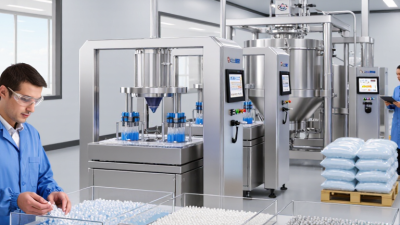
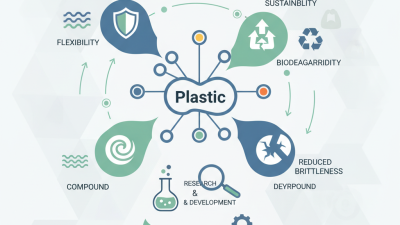
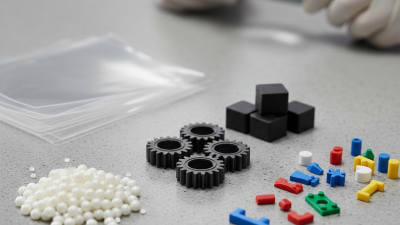
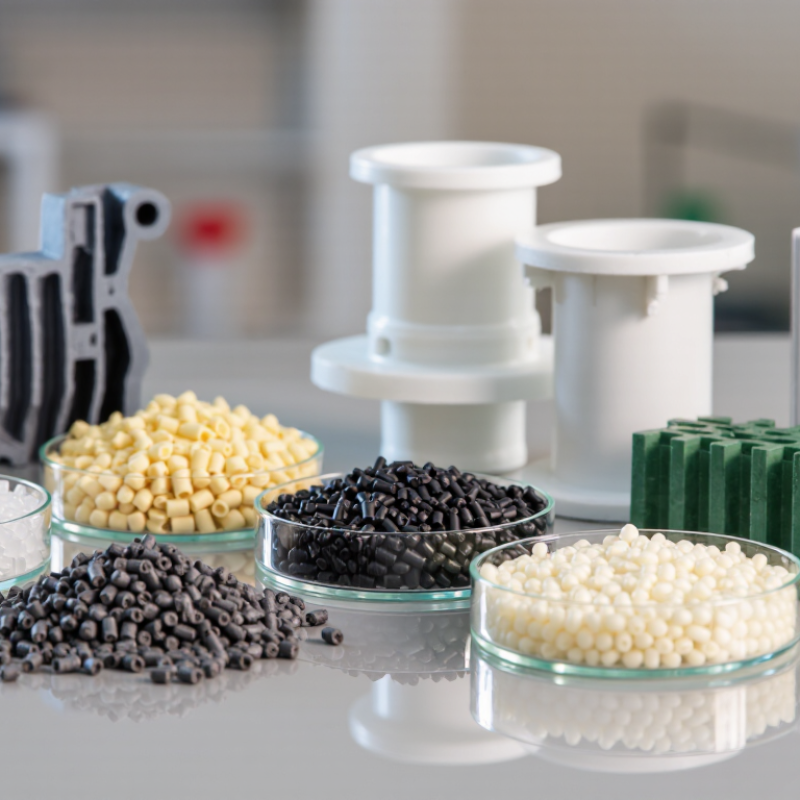
Plastic compounds are engineered polymer materials prepared for specific processing and performance needs. They combine a base resin with additives, fillers, fibers, pigments, or impact modifiers. The resin forms the continuous matrix. Other ingredients adjust strength, color, flexibility, heat resistance, or flame behavior. Plastic compounds are not merely plastic pellets. Their internal recipe controls how they melt, flow, cool, and perform in service.

At the microscopic level, the polymer matrix surrounds dispersed additives and reinforcing particles. Good dispersion supports consistent mechanical properties. Poor dispersion can create weak spots, surface marks, or unstable color. Glass fibers may improve stiffness, while mineral fillers can increase dimensional stability. Plasticizers may improve flexibility, but excessive levels can reduce hardness. Processing temperature also matters. A correct formulation can still fail after excessive heating or moisture exposure.

For global buyers, the core functions should match the final application. Compounds for housings may need impact resistance and a clean surface. Materials for automotive or electrical parts often require controlled shrinkage, insulation, and long-term heat stability. Buyers should review test methods, batch consistency, moisture data, and processing guidance. A simple hardness comparison can mislead. Two pellets may feel similar yet behave differently during molding. I would also question any specification that lacks sample-based validation. Real production conditions are rarely perfect. Temperature, drying time, and machine pressure can quietly change the result.

Major Plastic Compound Types Available to Global Buyers in 2026

Global buyers in 2026 can choose from several major plastic compound types. Polypropylene compounds offer low density, chemical resistance, and reliable processability. They suit appliance housings, packaging components, and automotive interior parts. Polyethylene compounds provide toughness and moisture resistance. High-density grades work well for containers, pipes, and industrial components.

ABS compounds remain useful where impact strength and surface appearance matter. They are common in electrical enclosures, consumer products, and equipment panels. Polycarbonate compounds provide higher heat resistance and impact performance. However, they may require careful drying before molding. Polyamide compounds deliver strength and wear resistance, especially in mechanical parts. Moisture absorption can change their dimensions. That risk deserves attention.

Thermoplastic polyester compounds, including PBT-based materials, support electrical components and precision parts. They offer dimensional stability and useful resistance to chemicals. Thermoplastic elastomer compounds add flexibility, soft touch, and sealing performance. Recycled-content compounds are also gaining interest among international purchasers. Their properties can vary between production batches. Buyers should request technical data, safety documentation, batch samples, and processing guidance before approval. Test the actual design.

A compound selected from a datasheet may still fail under heat, pressure, or repeated impact. Mold design, wall thickness, colorants, and processing conditions can alter performance. Global sourcing also requires checking regional compliance requirements and shipment conditions. Some decisions remain imperfect, especially when cost, recycled content, and long service life conflict. That trade-off needs honest engineering review.

Performance Comparison Across Key Plastic Compound Categories

2026 Top Plastic Compound Types for Global Buyers

Performance Comparison Across Key Plastic Compound Categories

Global buyers are comparing compounds by measured performance, not resin family alone. Polypropylene compounds remain attractive for interiors and appliance parts because they combine low density, chemical resistance, and competitive processing. The International Energy Agency reports that plastics demand could nearly double by 2050, increasing pressure on lightweight and recyclable formulations. However, lower cost does not always mean lower risk. Warpage, odor, and inconsistent filler dispersion can appear after molding.

Glass-fiber-reinforced polyamide offers higher stiffness and heat resistance than standard polypropylene. It suits structural brackets, housings, and under-hood applications, but moisture absorption can change dimensions. A 2024 market analysis from MarketsandMarkets identifies engineering plastics as a major growth segment, supported by transportation and electrical demand. The data is useful, yet category forecasts often combine very different grades. Buyers should request conditioning tests, not rely on headline growth.

Flame-retardant compounds provide essential protection for electrical enclosures and transport components. Their performance depends on thickness, ignition conditions, and the test method. Recycled-content compounds can reduce virgin material use, while the Ellen MacArthur Foundation highlights rising demand for circular plastic systems. Still, recycled grades may show wider color, odor, and impact variation. Ask for batch-level tensile, impact, moisture, and flammability records. Small differences matter. A compound that passes one laboratory test may perform poorly after repeated heat cycles, so application-specific validation remains necessary.

Selection Criteria for Different Industries and Applications

2026 Top Plastic Compound Types for Global Buyers

Selection Criteria for Different Industries and Applications

Global buyers should select compounds by service conditions, not popularity. PlasticsEurope reported 413.8 million tonnes of global plastics production in 2023. That scale makes small specification errors expensive. For automotive housings, glass-fiber-reinforced polyamide suits heat, vibration, and dimensional demands. PBT often fits electrical connectors because it offers stiffness and useful resistance to moisture. PC/ABS remains practical for interior parts requiring impact strength and surface quality. Test the actual molded geometry. A datasheet alone is insufficient.

Electrical and electronics buyers should check flame performance, comparative tracking index, dielectric strength, and warpage. The IEC 60695 series supports fire-hazard evaluation, while application standards may demand tighter evidence. For food packaging, polypropylene compounds need documented food-contact compliance, odor control, and migration testing. The European Environment Agency continues to identify packaging as a major plastics-use sector, so recyclability and mono-material design deserve early review. This is where procurement teams sometimes overpromise. Recycled content can change color, moisture, and impact performance.

Medical applications require a stricter evidence trail. Consider biocompatibility, sterilization exposure, extractables, lot consistency, and traceability. For demanding chemical or high-temperature service, PEEK, PPS, or reinforced fluoropolymer compounds may be justified, but only after lifecycle costing. MarketsandMarkets identifies engineering plastics as a continuing growth area through the decade, driven by lightweighting and electronics. Yet growth does not guarantee suitability. Request samples, run aging tests, and compare molded parts under real humidity, load, and cleaning cycles. Small details matter.

Global Sourcing, Compliance, and Market Considerations in 2026

2026 Top Plastic Compound Types for Global Buyers

Global Sourcing, Compliance, and Market Considerations in 2026

Polypropylene, polyethylene, ABS, polyamide, and PC/ABS remain practical choices for global sourcing. Each serves different demands, from lightweight packaging to heat-resistant automotive parts. The OECD Global Plastics Outlook reports that global plastic waste reached 353 million tonnes in 2019. Only 9% was recycled. That figure should change how buyers assess “recycled” claims.

Cost is no longer enough. Buyers should request polymer origin, additive disclosure, recycled-content evidence, and batch-level test records. REACH, RoHS, persistent organic pollutant rules, and food-contact requirements can affect the same compound differently across markets. Flame-retardant grades need extra scrutiny. Some formulations may pass one regional test but fail another. That happens.

The best sourcing process compares virgin, mechanically recycled, and chemically recycled compounds against actual performance needs. The European Chemicals Agency continues expanding substance controls, so outdated declarations create avoidable risk. UNEP’s Global Plastics Outlook also links better design and circular systems with lower environmental pressure. Still, recycled compounds can show color variation, odor, or weaker impact strength. Buyers should test production samples, not only review certificates. A low-cost grade may become expensive after tooling adjustments, rejected batches, or customs delays.、】【

2026 Top Plastic Compound Types for Global Buyers

The chart compares representative densities of widely sourced plastic compound base resins. Density affects freight efficiency, part weight, mold filling, and material selection. Actual compound density varies with glass fiber, mineral filler, flame retardants, colorants, and other additives.

Global buyers should confirm grade-specific technical data and applicable requirements such as REACH, RoHS, food-contact rules, fire-safety standards, recycled-content claims, and local extended producer responsibility obligations before purchase.