2026 Best Gelatin Powder for Global Buyers Insights and Tips
In the dynamic food and supplement industry, "Gelatin Powder" has gained significant attention from global buyers. According to a recent market analysis by Grand View Research, the global gelatin market is projected to reach $4.63 billion by 2025, driven by increasing demand in food, pharmaceuticals, and cosmetics. This surge underscores the importance of sourcing high-quality gelatin powder to meet diverse consumer needs.
Gelatin powder's versatility is a key factor in its popularity. It's widely used in products ranging from gummy candies to dietary supplements. However, buyers must navigate various qualities and sourcing options. Reports indicate that not all gelatin powders are created equal. Some may lack the required transparency regarding sourcing and production methods, which could impact quality.
As the gelatin market evolves, buyers should consider factors like certifications, sourcing practices, and manufacturing processes. These elements can significantly affect the end product's quality and safety. While the benefits of gelatin powder are clear, potential pitfalls remain. Ensuring reliable suppliers and adequate testing should be part of any purchasing strategy. Understanding these nuances can lead to more informed decisions in the bustling world of gelatin powder.
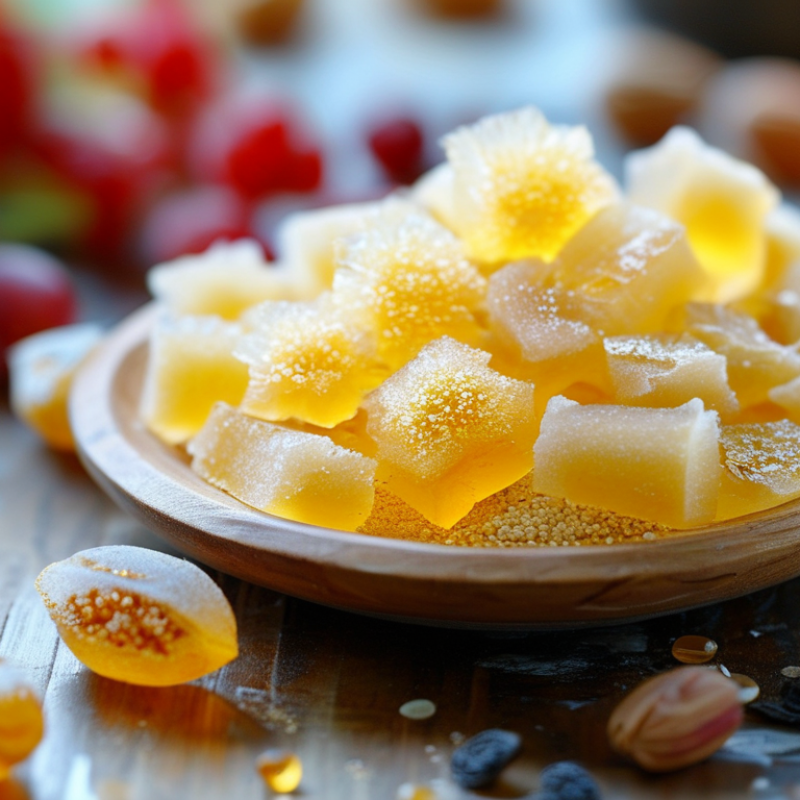
Overview of Gelatin Powder: Types and Uses
Gelatin powder is a versatile ingredient used in various culinary applications. It’s derived from collagen, typically sourced from animal bones and skin. There are mainly two types of gelatin: powder and sheets. Powdered gelatin is convenient and easy to store, while sheets are favored for their clarity and texture in professional kitchens.
In culinary uses, gelatin is essential for making gummy candies, marshmallows, and desserts like panna cotta. It creates a smooth and luscious texture when properly dissolved. When using gelatin powder, it’s crucial to bloom it first. Soak it in cold water for about five to ten minutes before adding to hot mixtures. This ensures an even and effective incorporation.
Tips for using gelatin: Always measure gelatin accurately. Too much can result in an overly firm texture, while too little may lead to instability. Experiment with liquid ratios for various textures. If you desire a vegetarian option, consider agar-agar or pectin as substitutes, which can have different setting properties. Remember, achieving the perfect consistency might take practice and adjustments. Embrace the learning process and refine your technique along the way.
Key Factors to Consider When Choosing Gelatin Powder
Choosing the right gelatin powder can be a challenge for global buyers. Quality and sourcing play critical roles. According to a recent industry report, the global gelatin market is expected to grow at a CAGR of 6.5% from 2021 to 2026. This growth shows the rising demand among food, pharmaceutical, and cosmetic industries.
When selecting gelatin powder, consider the sourcing method. Gelatin derived from bovine or porcine sources often differs in taste and texture. It's essential to know the origin. A study by the Food Technology Association emphasizes the importance of quality testing. High-quality gelatin should be tested for purity and strength. Less reputable sources may not adhere to stringent quality control.
Another factor is the gelatin’s bloom strength, which indicates its gelling power. The market offers options ranging from 100 to 300 bloom strength. Understanding the intended use can guide your choice. However, not all products label this information clearly. Buyers should be aware of these discrepancies. Proper research can help avoid lower-quality gelatin that might not perform as expected.
Top Brands of Gelatin Powder for Global Buyers
Gelatin powder is a versatile ingredient used worldwide in various culinary applications. It is essential in desserts, jellies, and even savory dishes. According to industry reports, the global gelatin market is projected to reach approximately $4 billion by 2026, growing significantly due to increasing consumer preferences for plant-based and gelatin alternatives. For buyers, knowing the top brands in the market can help in making informed purchasing decisions.
When exploring gelatin powder options, aim for high-quality products. Look for brands that source their gelatin ethically and provide transparency about their manufacturing processes. Quality can impact texture and flavor, so it's vital to choose wisely. Not all gelatin powders are the same; some may lose potency over time. Pay attention to the packaging and storage recommendations to ensure freshness and effectiveness in recipes.
Tip: Always check the bloom strength rating of the gelatin powder. This rating indicates how well the gelatin will set. A higher bloom strength means firmer products, which may be preferable for specific recipes. Keep experimenting with different brands to find one that meets your culinary needs. Consider feedback from other users to gauge reliability and satisfaction. This method can save time and help refine your choices.
Insights into Gelatin Powder Sourcing and Quality Assurance
When sourcing gelatin powder, quality assurance is crucial. Buyers must evaluate the sourcing process carefully. Consider asking suppliers about their sourcing methods. High-quality gelatin is derived from specific animal parts. Evaluating these elements will help ensure you get a reliable product.
Understanding the production regulations is essential. Not all suppliers adhere to the same guidelines. This can affect the quality of the gelatin. Inquire about the tests performed to verify purity and safety. Reliable suppliers will provide transparency about their quality control processes.
Lastly, don't overlook certifications. They often indicate a supplier's commitment to quality. Look for compliance with industry standards. This adds another layer of assurance. Trust your instincts when assessing suppliers. Some may seem trustworthy but lack transparency. Balancing trust and verification can be challenging but is necessary for quality sourcing.
Tips for Incorporating Gelatin Powder in Recipes and Products
Incorporating gelatin powder into your recipes can elevate both texture and flavor. It's versatile and works well in desserts, savory dishes, and even beverages. For beginners, starting with simple recipes like jellies or puddings is ideal. These recipes require minimal ingredients and allow the gelatin's properties to shine through.
Gelatin helps create a rich, creamy consistency. When adding it to liquids, it’s crucial to bloom it first in cold water. This step ensures an even distribution in your mix. Avoiding lumps can be a challenge; patience is key. If overcooked, gelatin may lose its gelling ability.
Experimentation is part of the process. Not all recipes require the same amount of gelatin. Adjusting the quantity based on desired firmness can lead to interesting results. Keep a notebook to track your modifications. Some mixtures may not turn out as expected, leading to unexpected textures. This is a valuable learning experience. Embrace these moments as opportunities for discovery.
2026 Best Gelatin Powder Usage Insights